
 By combining application know-how with advanced technology, Plastiblow develops extrusion blow moulding solutions specifically tailored to the requirements of the medical and pharmaceutical industries
In the medical sector, the choice of manufacturing technology is closely linked to the characteristics of the product and material. Tubes, pipettes, bottles, containers for parenteral solutions, bags and medical device components can be produced by extrusion blow moulding using a wide range of polymers, from HDPE, LDPE, PP and PVC to technical and high-performance materials.
When products are intended to come into contact with tissues or biological fluids, or must withstand sterilisation processes, production must ensure high levels of precision, repeatability and cleanliness. This is where application know-how and machine technology become essential.
With extensive experience in extrusion blow moulding, Plastiblow has developed numerous solutions for medical and laboratory applications. Its machines have been used to manufacture pipettes and tubes, thermoplastic elastomer bulbs, PVC bags and containers, components in technical materials such as Teflon and Ultem, polycarbonate inhalers and baby bottles, PP bottles for saline solutions, dialysis chambers and various types of bottles for eye drops, nasal drops and pharmaceutical products.
Each application has specific requirements. Processing specialised materials may require components designed to operate at high temperatures, while complex geometries and extremely lightweight products may call for dedicated systems for flash trimming, handling, finishing and automatic packaging.
A major step forward was the introduction of electric drives, which eliminated hydraulic actuation. The absence of hydraulic oil reduces the risk of contamination and makes the machines particularly suitable for environments where cleanliness and controlled operating conditions are essential. Electric drives also provide more precise and repeatable movements, contributing to process stability, lower scrap rates and faster cycles. Further benefits include reduced energy consumption and maintenance costs, as well as lower noise levels.
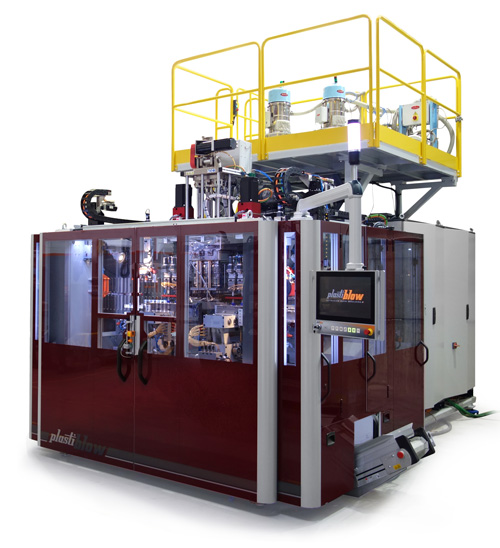 One of the most significant applications is the production of Pasteur pipettes. Their particular geometry requires a material that is both soft and flexible, yet sufficiently rigid to allow automatic flash removal. For this application, a specific LDPE/EVA blend has been developed.
Plastiblow’s experience in this field dates back to 1995, when a three-cavity machine capable of producing approximately 2,000 pipettes per hour was presented in Düsseldorf. Over the years, production capacity increased to as much as 16,000 pieces per hour. For intermediate production volumes, the single-carriage PB6ES provides a compact solution with an output of more than 6,500 pipettes per hour.
Another important application is the production of containers for parenteral solutions. Compared with glass, plastic offers advantages in terms of weight, resistance to breakage, transport and the possibility of producing flexible, collapsible containers. PP, LDPE and HDPE are among the most widely used materials, selected according to product characteristics, sterilisation requirements and compatibility with the contained fluid.
Among the solutions developed by Plastiblow are a PB26ED-800 E100/28 equipped with a ten-outlet head, capable of producing approximately 6,000 500 ml PP random bottles, and a PB6ED-380 with 3+3 cavities, designed to produce 100 and 250 ml LDPE bottles with a welded cannula to prevent the risk of contamination. The bottles are also supplied in a collapsed form, reducing their volume and optimising transport and storage operations.
More recently, the PB12ES-430 was configured for the production of 100, 250 and 1,000 ml laboratory volumetric flasks in TPX, a lightweight, transparent material combining impact and high-temperature resistance and suitable for autoclave sterilisation.
From material selection to machine configuration, automation and process control, every detail contributes to the quality of the final product. By combining application know-how with advanced technology, Plastiblow develops extrusion blow moulding solutions specifically tailored to the requirements of the medical and pharmaceutical industries.
البثق-النفخ للقطاع الطبي: التكنولوجيا والدقة والمواد
القدرة على دمج المعرفة التطبيقية والتكنولوجيا هي التي تسمح لشركة Plastiblow بتطوير حلول البثق-النفخ النوعية للصناعة الطبية والصيدلانية
في القطاع الطبي، يرتبط اختيار تكنولوجيا الإنتاج ارتباطًا وثيقًا بمواصفات المنتج والمواد. يمكن تصنيع أنابيب الاختبار والقَطَّارات والقوارير وعبوات المحاليل الوريدية والأكياس والمكونات المخصصة للأجهزة الطبية عن طريق البثق-النفخ باستخدام بوليمرات مختلفة تمامًا فيما بينها، بدءاً من البولي إيثيلين عالي الكثافة والبولي إيثيلين منخفض الكثافة والبولي بروبلين والبولي كلوريد الفينيل إلى المواد التقنية والمواد عالية الأداء.
عندما يكون المنتج مخصصًا للتلامس مع الأنسجة أو السوائل البيولوجية، أو يجب أن يخضع للتعقيم، يجب أن تضمن العملية الإنتاجية مستويات عالية من الدقة وقابلية التكرار والنظافة. في هذا المجال يصبح التجريب التطبيقي وتقنية الماكينة أمران حاسمان.
مع خبرة طويلة في البثق-النفخ، طورت Plastiblow العديد من الحلول للتطبيقات الطبية والمخبرية. استُخدِمت آلاتها لإنتاج القَطَّارات وأنابيب الاختبار ومضخات اللدائن الحرارية المرنة، والأكياس والحاويات من PVC، والأصناف من المواد التقنية مثل Teflon و Ultem، وأجهزة الاستنشاق والزجاجات المصنوعة من البولي كربونات، والزجاجات من البولي بروبلين للحلول الفسيولوجية، وغرف غسيل الكلى وأنواع مختلفة من قوارير قطرات العين وقطرات الأنف والمنتجات الصيدلانية.
يوفر كل تطبيق احتياجات نوعية. قد تتطلب معالجة مواد معينة مكونات مصممة للعمل في درجات حرارة عالية، في حين أن الأشكال الهندسية المعقدة والمنتجات خفيفة الوزن للغاية قد تتطلب أنظمة مخصصة لقطع الجزء الهالك والمناولة والتشطيب والتعبئة الأوتوماتيكية.
تمثَّل التطور الأساسي في إدخال المشغلات الكهربائية، مما أدى إلى التخلص من عمليات التشغيل الهيدروليكية. يقلل غياب الزيت الهيدروليكي من خطر التلوث ويجعل الآلات مناسبة بشكل خاص للبيئات التي يكون فيها التنظيف والتحكم في ظروف التشغيل أمرًا ضروريًا. تضمن المشغلات الكهربائية أيضًا حركات أكثر دقة وقابلة للتكرار، مما يساهم في استقرار العملية الإنتاجية وتقليل الهالك ودورات أسرع. تضاف إلى هذه المزايا تكاليف أقل لاستهلاك الطاقة وصيانتها، بالإضافة إلى تقليل الضوضاء.
من بين أهم التطبيقات يوجد إنتاج قطَّارات Pasteur. تتطلب الهندسة الخاصة مادة ناعمة ومرنة في نفس الوقت، ولكنها صلبة بما يكفي للسماح بالإزالة الأوتوماتيكية لمخلفات الصب. لهذا التطبيق تم تطوير مزيج نوعي من البولي إيثيلين منخفض الكثافة وخلات فينيل الإيثيلين.
تعود تجربة Plastiblow إلى عام 1995، عندما تم تقديم آلة ذات ثلاثة تجاويف قادرة على إنتاج حوالي 2000 قطَّارة في الساعة في دوسلدورف. مع مرور الوقت، وصلت الإنتاجية إلى 16000 قطعة/ساعة. بالنسبة للإنتاج المتوسط، توفر آلة PB6ES ذات العربة المفردة حلاً مكتنزًا اليوم، بسعة تزيد عن 6500 قطَّارة في الساعة.
يتعلق تطبيق مهم آخر بالعبوات الخاصة بالمحاليل الوريدية. مقارنة بالزجاج، يوفر البلاستيك مزايا من حيث الوزن ومقاومة التحطم والنقل وإمكانية صنع عبوات مرنة وقابلة للطي. يعتبر البولي بروبلين والبولي إيثيلين منخفض الكثافة والبولي إيثيلين عالي الكثافة من بين أكثر المواد استخدامًا، ويتم اختيارها وفقًا لمواصفات المنتج وعملية التعقيم والتوافق مع السائل التي تحتوي عليه.
من بين الحلول التي طورتها Plastiblow تظهر آلة PB26ED-800 E100/28 المجهزة برأس مكونة من عشرة مخارج، وهي قادرة على إنتاج حوالي 6000 قارورة سعة 500 مل من البولي بروبلين العشوائي، وآلة PB6ED-380 ذات 3+ 3 تجاويف، مخصصة لإنتاج القوارير من البولي إيثيلين منخفض الكثافة سعة 100 و 250 مل، مع قنية ملحومة لمنع خطر التلوث. كما يتم توريد القوارير مضغوطة، وذلك لتقليل حجمها وتحسين عمليات النقل والتخزين.
في الآونة الأخيرة، تم تهيئة آلة PB12ES-430 لإنتاج قوارير مختبرية سعة 100 و 250 و 1000 مل من مادة TPX، وهي مادة خفيفة الوزن وشفافة ومقاومة للصدمات وللحرارة العالية، ومناسبة أيضًا للتعقيم في الأوتوكلاف.
من اختيار المواد إلى تهيئة الماكينة، من الأتمتة إلى التحكم في العملية الإنتاجية، تساهم كل التفاصيل في جودة المنتج النهائي. هذه القدرة على دمج المعرفة التطبيقية والتكنولوجيا هي التي تسمح لشركة Plastiblow بتطوير حلول البثق-النفخ الخاصة بالصناعة الطبية والصيدلانية.